What Happens to a Second Home or Vacation Property in a California Estate
By Doug Ranger, Broker/Owner, Ranger Realty, CDPE
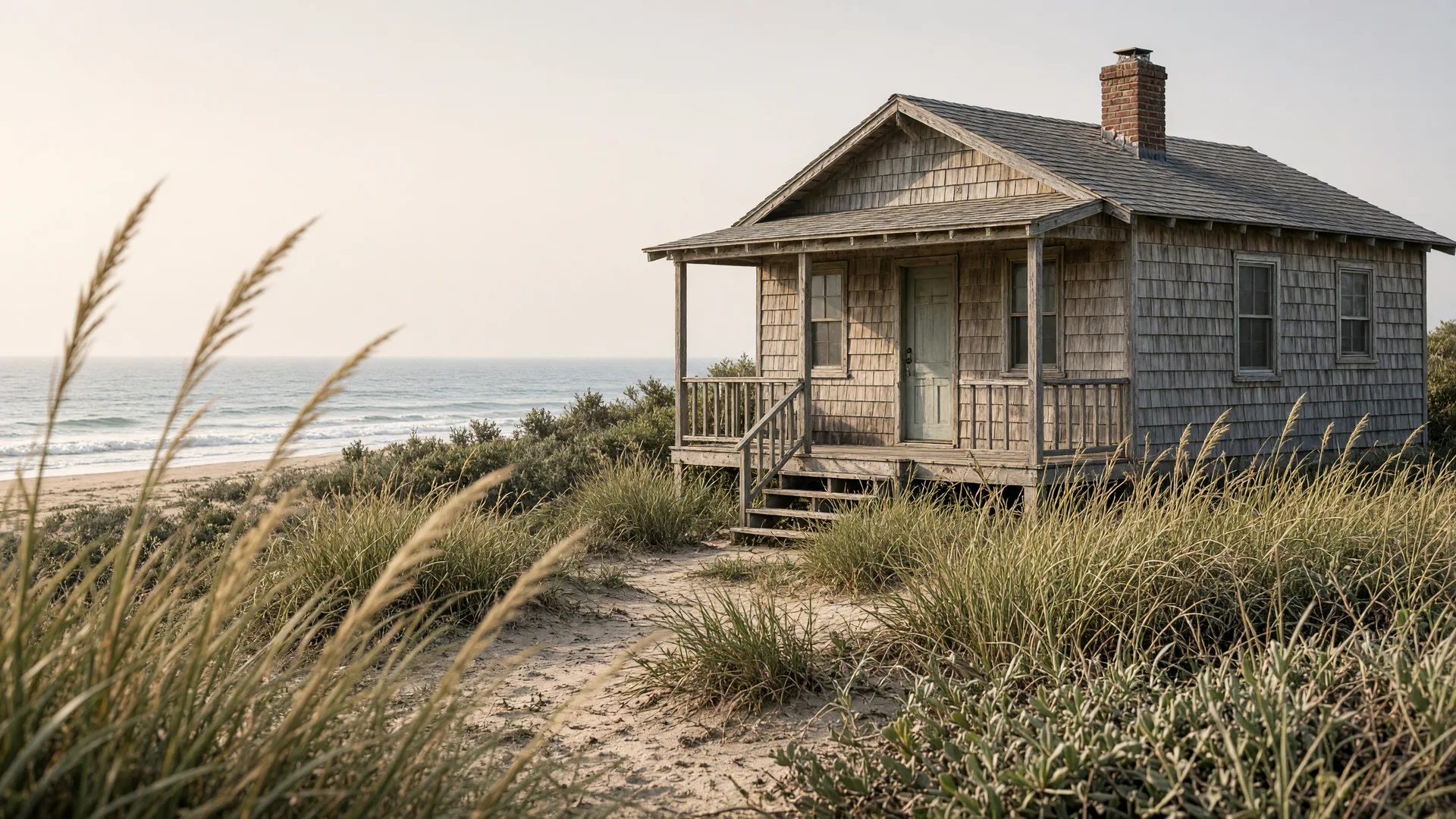
A second home in the estate is still family real estate, but it follows different rules than the primary residence. The mortgage is protected by the same federal law, the property taxes are reassessed under Proposition 19, and the insurance behaves differently once the house sits empty. For executors, trustees, and heirs, understanding those three differences early prevents the two surprises families most often meet: a supplemental tax bill and a lapsed policy.
A Second Home Is Still Family Real Estate
Whether it is a beach cottage in Ventura County or a mountain cabin farther north, a second home is real property, and it is part of the estate or trust just like the primary residence. The decisions are the same in shape: keep, sell, or rent, and who holds the authority to make them. But the details, from the property tax bill to the insurance coverage, reward attention.
The Mortgage: Garn-St. Germain Protects Inherited Vacation Homes Too
The Garn-St. Germain Act prevents a lender from calling a loan due when a home passes to a relative by inheritance, and it applies to residential property with fewer than five dwelling units. A second home qualifies; the law does not require the home to be anyone's principal residence. A child or other relative who inherits the beach house can generally keep the existing mortgage and continue making payments without formally assuming the loan.
Two limits are worth knowing. The lender can still foreclose if the payments stop, and the lender may ask for proof that the heir is now the owner. And the protection applies to residential property: a commercial property, or a rental operated as a business, can sit outside the protection, which is a reason to know how the second home was actually used.
Property Taxes: Proposition 19 and Reassessment
This is the change most families do not expect. Since February 16, 2021, Proposition 19 ended the broad parent-child exclusion for non-primary residences. A second home or vacation property inherited by a child is reassessed to its full fair market value at the time of transfer. The exclusion that lets a parent's home pass to a child without reassessment applies to the principal residence, and even then only when the child makes it their primary home.
What that means in practical terms: expect a supplemental assessment notice, and plan for a higher annual property tax bill on the second home than the parent was paying. The reassessment is one of the strongest reasons to talk through the keep-versus-sell decision with someone who has seen these bills land.
Insurance: Vacancy Clauses on an Empty Beach House
Standard homeowners policies contain vacancy clauses. Once a dwelling is vacant for a set period, commonly 30 to 60 days, the policy can reduce or suspend coverage for specific perils: vandalism, broken glass, water damage from freezing pipes, and in some policies theft. A second home waiting for a decision can easily sit empty long enough to cross that trigger.
The fix is specific, and it is straightforward: tell the insurance agent the house is empty, ask about a vacancy endorsement or a dedicated second-home policy, keep the utilities on enough to prevent freezing, and have someone walk the property on a regular schedule so small problems are found while they are small.
Tenants and Rental Income While the Estate Is Open
If the second home has tenants, the rental income and the lease matter to the estate. The authority to renew a lease or accept new tenants belongs to the executor or trustee, the lender should know the property is rented, and the insurance needs to cover tenants rather than an empty house. Rental income received by the estate is reportable, which is a question for the estate's CPA alongside the property decisions.
Practical First Steps for Executors and Trustees
Start by visiting the property and confirming it is secure. Call the mortgage servicer, identify yourself, and ask about the account and any loss mitigation options. Review the insurance policy for its vacancy language and update the agent. Then gather the property tax bill and ask the county assessor whether a transfer has been reported or a reassessment is expected. Finally, get a current opinion of value, because second homes are priced by their own local market, and the estate's decision needs an accurate number.
"A second home is the property families love the most and understand the least after a loss. The mortgage is protected, the taxes are not, and the insurance needs a conversation. None of it is overwhelming when you know which questions to ask."
Doug Ranger, CDPE
A vacation home can be a place of memory and a source of worry in the same month. The rules are knowable, and a short list of first steps can keep the property safe while the family decides what comes next.

Doug Ranger
Broker/Owner, Ranger Realty. Licensed since 1997. Certified Distressed Property Expert (CDPE).
Talk Through Your Situation
If a second home or vacation property is part of the estate you are managing, Doug can help you think through the mortgage, the taxes, and the insurance, and what the home is worth today.