Protecting a Vacant Inherited Home: Property Preservation for Executors and Trustees
By Doug Ranger, Broker/Owner, Ranger Realty, CDPE
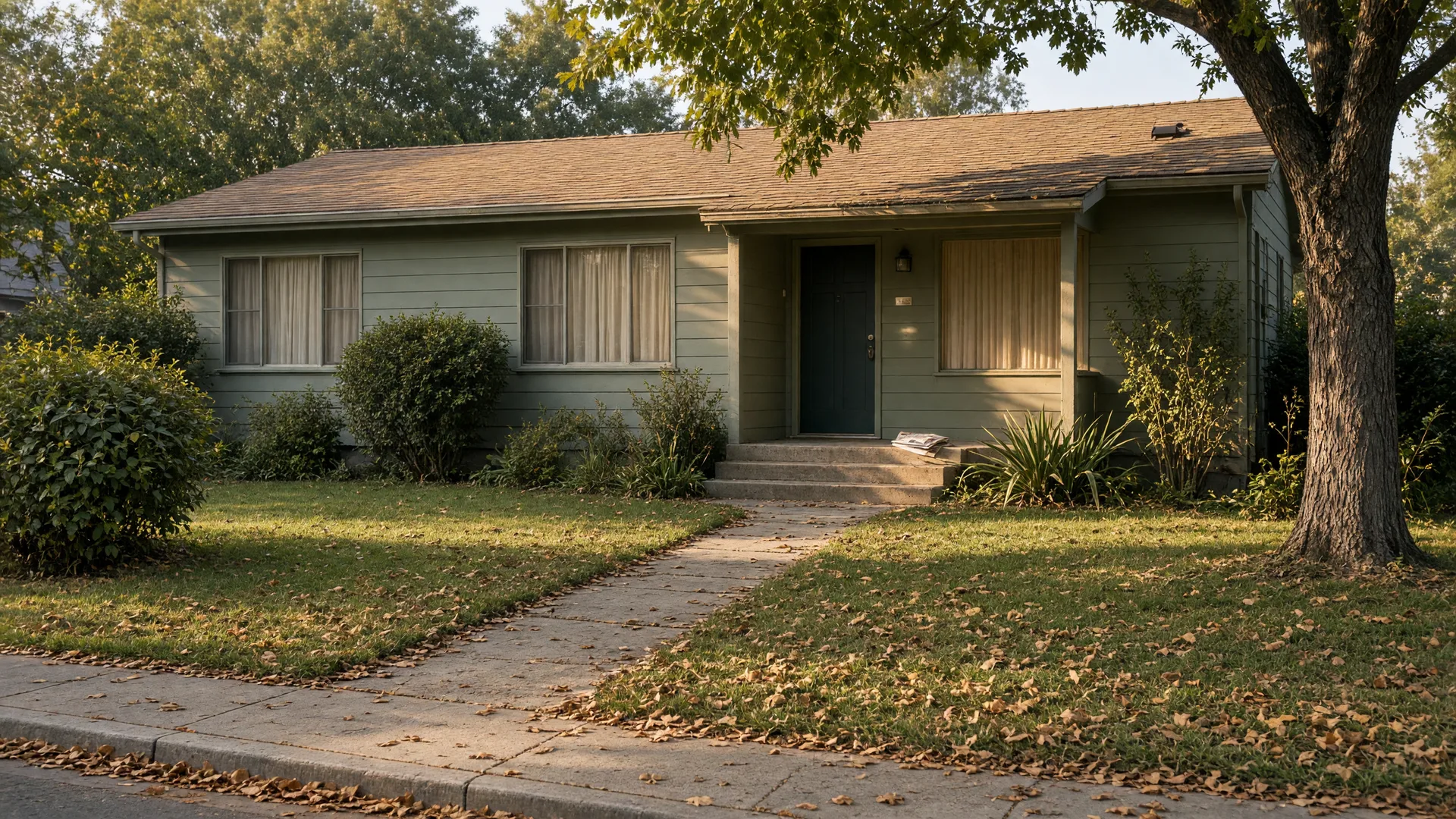
After a homeowner dies, the family home often sits empty while the estate is sorted out, and that is when a quiet kind of risk begins. A vacant house is not a protected house: insurance coverage can narrow, weather and pests can cause damage that grows by the month, and trespassers can find their way in. Property preservation, the work of keeping an empty home secure, insured, and maintained, is one of the most practical things an executor, trustee, or family member can do, and it protects both the home's value and its options.
Why a Vacant Home Is at Risk
An occupied home is watched over daily. Small problems are caught early, a leak is noticed within hours, and a stranger on the porch is seen by a neighbor. A vacant home has none of that protection, and the list of risks is longer than most families expect.
Rain can work its way through a clogged gutter and into a wall. A pipe can freeze or fail in winter, and the water can run for days before anyone walks through the door. Pests and rodents can move into an empty house with no one to notice. Vandals and thieves can find the property without a neighbor's awareness, and if someone is injured on the property, the estate can face liability. Every one of these problems is more expensive the longer it goes unseen, and the home's value is what carries the estate, so a decline in condition is a decline in what the family has.
The Insurance Policy Is the First Line of Defense
The most overlooked risk in the first weeks after a death is the insurance policy itself. Most homeowners policies contain a vacancy clause that limits or suspends coverage once a home has been vacant for a period of time, commonly 30 to 60 days. When that clause is triggered, claims for vandalism, theft, water damage, and liability can be denied, and in some policies the property coverage can be suspended altogether.
Policies draw a distinction between vacant and unoccupied, and the definitions matter: a home is often treated as vacant when it is both empty of its usual contents and without utilities, while a furnished home the family is simply away from may be treated as unoccupied. The estate should not rely on a guess about which category applies. The person acting for the estate should call the insurance agent in the first days, report the situation, ask exactly what the policy's vacancy provision says, and ask whether vacant-home coverage or an endorsement is available if the estate will be open for a while. For a fuller look at how coverage works after a death, see What Happens to Homeowners Insurance After a Homeowner Dies.
A Property Preservation Checklist for Executors and Trustees
Property preservation does not require a big budget. It requires a schedule and a few deliberate steps, taken in the first weeks and repeated through the life of the estate.
1. Secure the Property
Change or rekey the locks, check every window and sliding door, and secure any gates. Consider a monitored alarm or cameras, and arrange for a trusted neighbor, relative, or professional to check the property on a weekly schedule. Forward the mail and keep the yard tidy enough that the home does not look abandoned. A home that looks cared for is far less likely to be treated otherwise.
2. Manage the Utilities Deliberately
Decide about each utility rather than letting it lapse by accident. In winter, that often means keeping the heat at a low setting so pipes do not freeze, or shutting off the main water supply and draining the system. In any season, keeping the electricity on for alarms and keeping the house number visible helps emergency responders. The utilities are part of preservation, not an afterthought.
3. Keep the Insurance and the Property Taxes Current
The insurance premium and the property tax bill keep arriving whether anyone is living in the home or not. Pay both from estate funds and document every payment. An insurance lapse in a fire-prone area can be difficult to reverse, and an unpaid property tax bill can grow into a tax lien on the home. Our guide to protecting the home while the estate is open and the breakdown of unpaid property taxes on an inherited home cover both of these in more depth.
4. Inspect the Property on a Schedule
Walk through the home on a regular schedule, weekly if possible. Look for leaks, roof issues, signs of entry, and anything that looks out of place. Take dated photographs and keep a brief log of each visit. If a problem appears, it is caught while it is small.
5. Maintain the Outside
Clear dry brush and overgrowth, trim trees away from the roofline, and keep the gutters clean. A maintained exterior reduces fire and weather risk, keeps the home presentable, and matters even more for homes in the hills and canyons of Southern California, where fire season is part of the annual rhythm. See Wildfire Season and the Inherited Home for the fire-specific steps.
How Preservation Protects the Home From Foreclosure
The mortgage keeps running whether the home is occupied or empty, whether it is held in a trust or in the owner's name alone. That is why preservation is part of foreclosure prevention rather than a separate concern. A home that is secure, insured, and maintained holds its value and can be sold when the time comes, and the sale is what pays the mortgage. A home that falls into disrepair can lose value, lose its coverage, and complicate the very sale that would resolve the debt.
The steps in keeping an inherited home from becoming a foreclosure start with the lender conversation, and the steps here start with the house itself. Both belong in the same first month, and both follow the same principle: acting early keeps more options open. You can read more about that principle in Why Acting Early After a Homeowner's Death Keeps More Options Open.
"An empty house is not a protected house. The family home keeps its value because someone keeps caring for it, and that care is one of the most direct ways to keep it from ever becoming a foreclosure."
Doug Ranger, CDPE
The weeks after a death are full and heavy, and no family should face them while also wondering whether the house is safe. Property preservation is the work that lets a family set that worry aside: locks changed, insurance confirmed, utilities managed, and a schedule of visits in place. Done early, it protects the home, the estate, and everyone who will carry the family home forward.

Doug Ranger
Broker/Owner, Ranger Realty. Licensed since 1997. Certified Distressed Property Expert (CDPE).
Talk Through Your Situation
Doug offers a free, no-obligation consultation for families, executors, and trustees protecting or selling an inherited home.