What Makes an Inherited Home a Distressed Property, and What That Means for Executors and Trustees
By Doug Ranger, Broker/Owner, Ranger Realty, CDPE
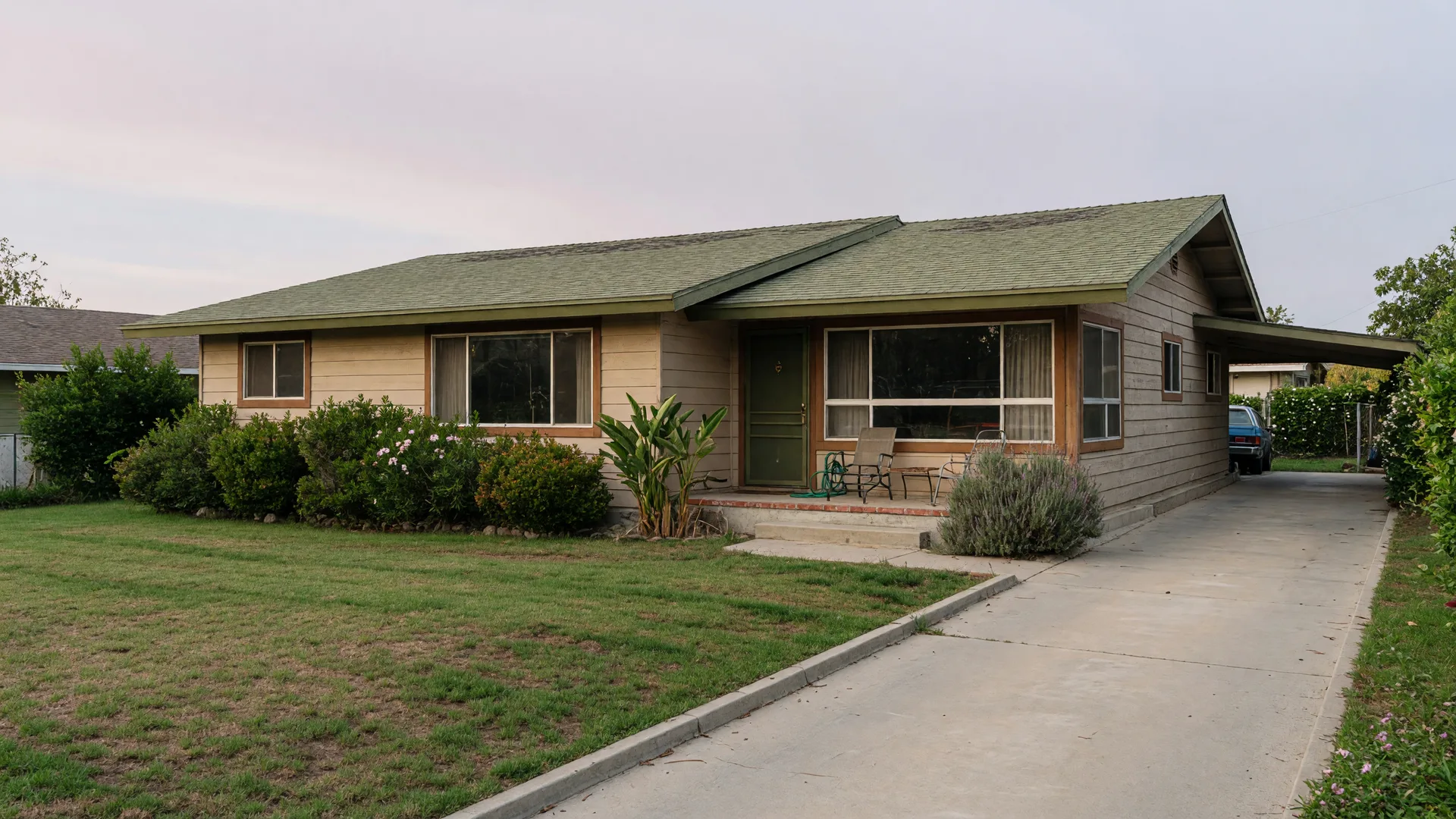
The phrase distressed property sounds like an abandoned building, but in real estate it has a specific and practical meaning: a property whose mortgage, condition, or obligations have put its continued ownership at risk. An inherited home can become a distressed property, and this can happen just as readily when the home is held in a living trust as when it passes through probate. Naming the situation early is what lets an executor or trustee act while the most options remain.
What "Distressed" Really Means in Real Estate
A property is generally called distressed when one or more of these things is true: the mortgage is in default or moving toward it, the loan balance is at or above the home's market value, maintenance has fallen behind to the point that the property's value is affected, the home sits vacant and unmanaged, or property taxes and other liens have gone unpaid. None of this is a judgment about the family or about the home's worth. It is a description of the financial position, and an accurate description is the only useful place to start.
How an Inherited Home Slips Into Distress After a Death
After a death, ordinary systems stop without anyone deciding they should. Automatic mortgage payments end when the funding account is closed or frozen. Statements arrive and are set aside while the family grieves. No one is home to notice a leak, a bill, or a package at the door. The estate takes time to organize, and time is exactly what the mortgage does not pause. A loan can move from current to delinquent within a couple of months purely because no one knew which account to pay, and the foreclosure process in California follows a recorded schedule from there.
A Home in a Trust Can Be Distressed Too
Trust ownership is a common source of confusion here. A living trust is a way of holding title and passing the home outside probate, but the trust does not change the mortgage. The note and the deed of trust remain in place, and the successor trustee inherits the duty to keep the property's obligations current from trust funds. When payments stop after the homeowner's death, a trust-owned home can move into the same default and foreclosure track as a probate property. A trust can even hold a home whose mortgage exceeds its value. Distress is a condition of the property and its obligations, not a statement about how the title is held.
Why Naming It Early Changes the Options
The importance of recognizing distress early is that options narrow as the process moves forward. Before a Notice of Default is recorded, an estate can keep the loan current, pursue a modification, or sell the home on a normal schedule with the equity intact. After default, and especially near a trustee's sale date, the available choices shrink and the timeline compresses. Lenders also have more flexibility with an estate that reaches out early than with one that goes quiet. The window of maximum options sits at the very beginning, and it is worth protecting.
The Options for a Distressed Estate Home
For an executor or trustee facing a distressed inherited property, the main paths are the same ones available to any homeowner, with estate duties layered on top: bring the loan current and sell the home in an orderly way; apply for a loan modification where the estate or a qualifying heir can sustain the payments; have a qualifying family member assume the loan under the Garn-St. Germain protections; sell through a lender-approved short sale when the loan exceeds the value; or, when the property is in probate, sell through the court-supervised process. In California, a lender that approves a short sale of a purchase-money loan generally receives the proceeds as full satisfaction, a protection that has helped many families close an underwater estate cleanly.
The First Three Steps for an Executor or Trustee
1. Open the Mail
Read the mortgage statements and any recorded notices, and write down the servicer's name, the loan number, and the current balance. Statements you cannot find can be requested from the servicer with a death certificate and proof of authority.
2. Confirm Who Holds Authority
Establish whether the successor trustee, the executor, or an administrator is the person who can act, depending on how the property is titled and whether there is a will. Until the servicer sees that authority confirmed, it may be limited in what it can share.
3. Get Honest Numbers
Compare three figures: what is owed, what the home could sell for in its current condition, and what it costs to carry the property each month. With those numbers, the options become concrete, and that is the moment to bring in a probate attorney and a broker who handles distressed properties.
"Calling a property distressed is not a verdict on the family or on the home's worth. It is an honest description of the financial position, and an honest position is the only place from which a good plan can be built."
Doug Ranger, CDPE
If you are managing an inherited home and suspect the mortgage, the taxes, or the condition have moved into distressed territory, you are not alone, and the situation is usually more workable than it first appears. Naming it early keeps the choices wide, and a free conversation can show you exactly where those choices begin.

Doug Ranger
Broker/Owner, Ranger Realty. Licensed since 1997. Certified Distressed Property Expert (CDPE).
Talk Through Your Situation
Doug offers a free, no-obligation consultation for families, executors, and trustees protecting or selling an inherited home.