Executor, Administrator, or Successor Trustee: Who Can Act on the Estate?
By Doug Ranger, Broker/Owner, Ranger Realty, CDPE
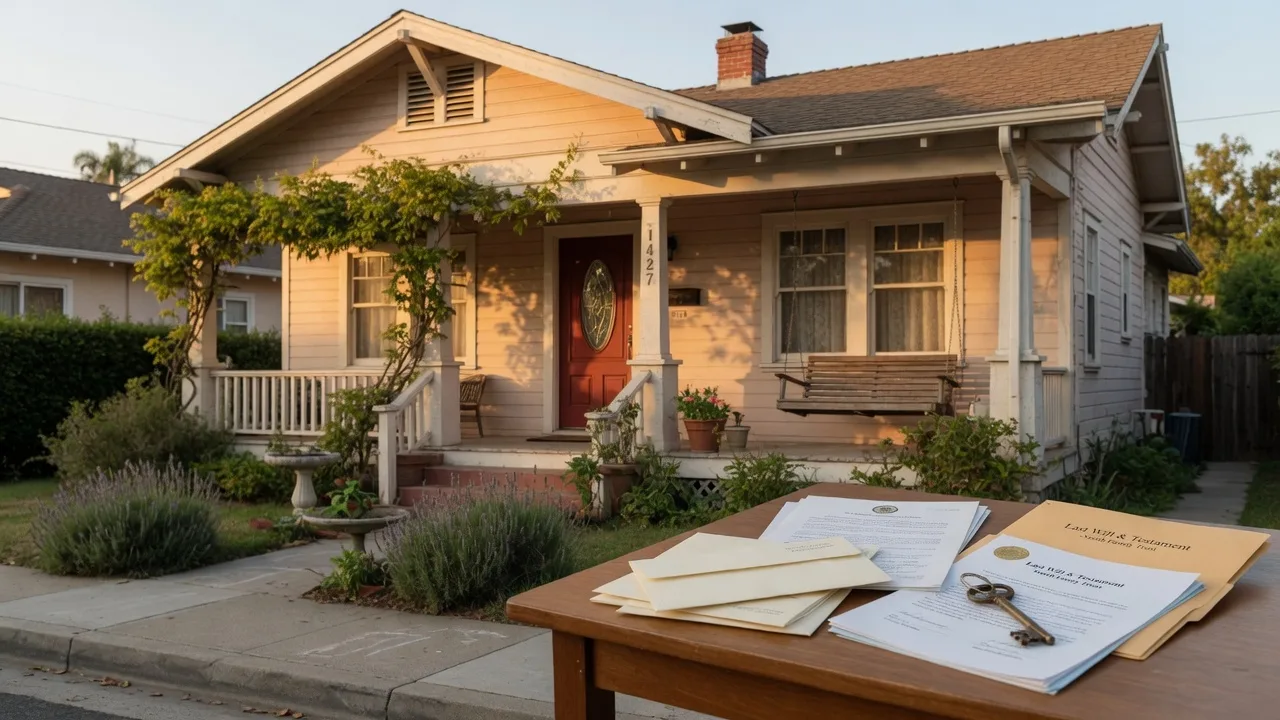
When a homeowner passes away, the ability to act on the estate's real property belongs to one of three people: an executor named in a will, an administrator appointed by a probate court, or a successor trustee named in a living trust. Which role holds the authority depends entirely on how the property was titled. Understanding these roles is the first step toward protecting the home and its mortgage, because the person with authority is the one who can contact the lender and make decisions about the property.
The Three Roles, and What Each One Is
Each of these three people is a fiduciary, which means they are legally required to act in the best interest of the estate and its beneficiaries. They may even be the same person in some families. But they are not interchangeable, and each gains authority through a different path.
The Executor
An executor is the person named in a will to administer the estate. Being named in the will is not enough on its own: the executor is formally appointed by the probate court and only gains authority after that appointment. Once appointed, the executor administers the assets that were titled in the deceased person's name, under the court's supervision and according to the terms of the will.
The Administrator
An administrator is the person the court appoints when there is no will, or when the executor named in a will cannot or will not serve. An administrator acts as the personal representative of an intestate estate and has essentially the same powers as an executor over the estate's assets. Both the executor and the administrator answer to the probate court until the estate closes.
The Successor Trustee
A successor trustee is the person named in a living trust to take over when the person who created the trust passes away or becomes incapacitated. A successor trustee administers the assets that were funded into the trust, following the trust document, and generally does this without ongoing probate court supervision. Authority can begin immediately upon death according to the terms of the trust.
Authority Follows the Title
The single most important question is how the home was titled. If the property was funded into a revocable living trust, the successor trustee has the authority to manage and, consistent with the trust terms, sell it. If the home was titled in the deceased person's name alone and was not placed in a trust, it is a probate asset, and only the court-appointed personal representative, the executor or the administrator, has authority to act on it.
This is why a home in a trust and a home outside a trust move through different processes. The same family may discover that one property passes through a trust while another must go through probate. Reviewing the estate documents early answers this question and shapes every later decision about the mortgage and the home.
Why the Distinction Matters for the Mortgage
The person with authority is the one who can speak with the mortgage servicer, request loss mitigation, review the loan documents, and decide whether the loan might qualify for an assumption or a modification. Until that authority is clear, the lender may be limited in what it can discuss with anyone. When the estate documents are in order, the right person can step forward and keep the process moving.
The mortgage does not vanish simply because the homeowner passed away, and it does not automatically become someone else's personal responsibility either. Identifying the right fiduciary early protects both the home and the family from a loan that quietly falls into default.
A Note on Independent Administration
In California, a personal representative in probate may be granted full authority or limited authority under the Independent Administration of Estates Act. With full authority, the representative can sell estate real property without a separate court confirmation of the sale. With limited authority, court approval is required. Knowing which applies to the estate is important before any offer is accepted.
Practical First Steps
If you are helping with an estate, begin by locating the estate documents and confirming which role you hold and how the property is titled. Then notify the mortgage servicer of the passing, gather the death certificate and your proof of authority, and keep the payments current if the estate has funds. A probate attorney can confirm the legal authority, and a probate-savvy real estate professional can help you compare the path forward for the home itself.
"You do not need to sort out every detail at once. The important thing is to identify who holds the authority, because that is the person who can start protecting the home."
Doug Ranger, CDPE
Grief makes these questions harder to face, and no one should have to work through them alone. Knowing who can act is the foundation, and the right professionals can help you stand on it.

Doug Ranger
Broker/Owner, Ranger Realty. Licensed since 1997. Certified Distressed Property Expert (CDPE).
Talk Through Who Can Act on Your Estate
Doug offers a free, no-obligation consultation for families, executors, and trustees protecting or selling an inherited home.