Co-Executors and Co-Trustees: When Two People Share Authority Over the Family Home
By Doug Ranger, Broker/Owner, Ranger Realty, CDPE

When a will names two executors or a trust names two successor trustees, authority over the family home is shared, and California law has clear rules for how those decisions are made. Two co-executors must act together on nearly every significant step, and co-trustees must act unanimously unless the trust document says otherwise. Understanding those rules early is one of the most practical things a family can do, because a disagreement about the home can put the mortgage and the property at risk.
When a Will or Trust Names Two People
Families often name two children as executors or co-trustees so no single person carries the responsibility alone. It can be a thoughtful choice, and it also creates a decision-making structure that needs to be understood. The person who wrote the will or trust chose both of you, and the law assumes you will exercise the shared authority carefully, and together.
Co-Executors: Joint Action Under Probate Code 9630
California Probate Code Section 9630 governs co-executors. When there are two personal representatives, both must concur to exercise a power. When there are more than two, a majority must concur. In practice, that means one co-executor alone cannot sign the listing agreement, accept an offer, or sign the deed conveying the estate home. The major decisions are made as a team, and the court appointed both of you for a reason.
The structure can also adjust through defined channels. If one co-executor dies, resigns, or is removed, the remaining executor continues to act, and the court can authorize the remaining representative to proceed when one is absent or unable to act.
Co-Trustees: Unanimity Under Probate Code 15620
The rule for co-trustees is different, and it is stricter. Under Probate Code Section 15620, unless the trust instrument provides otherwise, a power vested in two or more trustees may be exercised only by their unanimous action. California did not adopt the majority-vote rule that some other states use; a trust with two successor trustees generally requires both to agree. The court in Edwards v. Edwards confirmed this unanimity rule.
The exception is what the trust document itself says. Some trusts expressly allow action by a majority of co-trustees, and others name a process for resolving disagreement. The very first step for co-trustees is to read the trust instrument and find out what it actually says about how decisions are made.
What This Means for the Mortgage and the Home
The mortgage is tied to the property, not to one person's name. When the homeowner dies, the servicer will want to know who holds authority, and it will generally want to see both co-executors or both co-trustees acting on the account. That matters for practical tasks: keeping payments current, requesting a loan assumption, applying for a modification, or approving a sale when the loan is paid from the proceeds.
The servicer's loss-mitigation process expects clear authority. If one co-executor calls and the other does not, the conversation may stall until the servicer has confirmation that both are involved. This is not a lender being difficult; it is a lender protecting itself from acting on instructions from someone who does not hold full authority.
How a Disagreement Can Put the Home at Risk
The honest risk in a shared-authority situation is usually not bad intent. It is the gap that opens when the people who hold authority do not agree, and the bills keep coming. If the mortgage payments stop while two co-trustees work through a disagreement, the loan can move into default and toward a trustee's sale, and the property becomes a distressed property. A trust does not shield a home from that; the mortgage stays with the property either way.
This is why acting early matters: at the first sign that a decision is hard, more options are still on the table. Payment arrangements, forbearance, a loan assumption, a modification, or a sale can each be discussed while the loan is current or only lightly in arrears. The further along the process goes, the narrower the choices become.
A Practical Way to Share the Responsibility
Agree on how decisions will be made before a decision is urgent. Read the will or trust together and confirm what it says about joint or unanimous action. Designate one point of contact with the mortgage servicer, with the other person's knowledge, so the account has a single thread to follow. Keep a shared folder of documents: the death certificate, the trust or will, letters of authority, loan statements, insurance, and property tax bills. Meet on a regular cadence, even briefly, and write down what you decide.
None of this removes the legal requirement that both of you concur. It simply makes concurrence reachable, because the decisions have a structure and the information is shared.
When to Bring in Help
If the two of you disagree about whether to keep, sell, or rent the home, a probate attorney can explain the standard of care the law expects and how a deadlock is resolved. If the home is in a trust and one trustee will not cooperate, the probate court can be asked to remove or replace a trustee in some circumstances. Those are legal questions, and they are best raised with counsel early rather than after a payment default.
"Two names on a document can be a gift of shared responsibility, but the mortgage does not wait for the paperwork. The strongest families in this position are the ones who decide how they will decide, before the loan forces the question."
Doug Ranger, CDPE
If you and a sibling, a parent, or a trusted advisor share authority over a family home, you are not the first family to work through it. The rules are written down, the steps are known, and help is available at each stage.
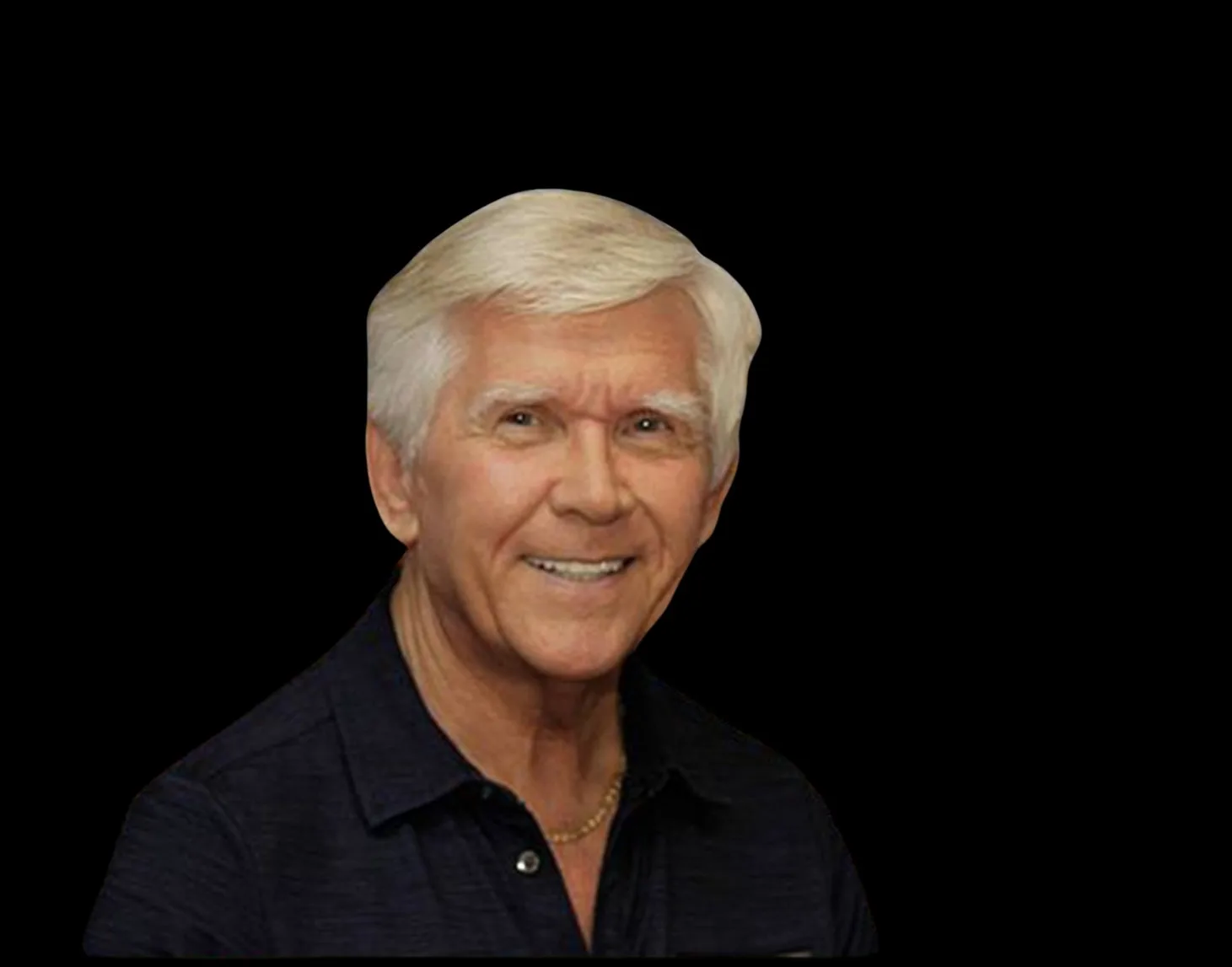
Doug Ranger
Broker/Owner, Ranger Realty. Licensed since 1997. Certified Distressed Property Expert (CDPE).
Talk Through Your Situation
If two of you share authority over a family home, Doug can walk you through how the decisions can work, what the law requires, and what to watch for along the way.